




















CONSUMER LAW: What to do when your flight is cancelled
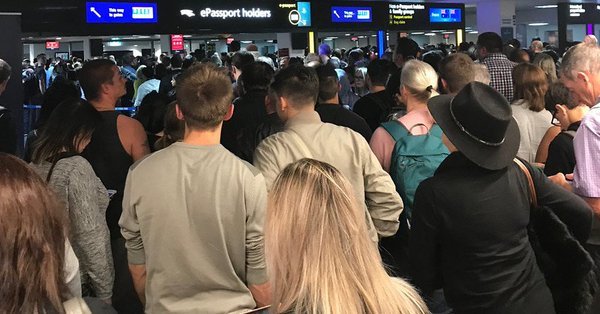
Flight cancellations are a fact of life in peak travel periods, when airports and airlines are handling record numbers of passengers. When your travel plans suddenly unravel, whether it’s because of weather, airline issues or some other reason, you need to know what your rights are, what you can claim and where to start. Australian airlines handle cancellations differently, and unlike in some parts of the world – I’m looking at you, European Union there’s currently no guaranteed automatic cash compensation for delays or cancellations.
It might be best to start your journey here at the Australian Competition and Consumer Commission (ACCC).
First, understand why your flight was cancelled
You need to know why your flight was cancelled, because that will determine what support you’ll receive.
If the airline says the disruption was within its control (mechanical issues, crew shortages, staff scheduling problems, or commercial decisions/overbooking) carriers will likely offer compensation or reimbursement for reasonable out-of-pocket costs. If the disruption is outside the airline’s control (extreme weather, air traffic control issues, industrial action, security) the airlines aren’t obliged to provide compensation other than rebooking or refunds under Australian consumer law.
However, you may have rights under Australian consumer law to a refund or compensation if the service fails to meet basic standards, though this is separate from what airlines choose to offer themselves. Virgin Australia, for example, outlines what it understands are your rights under the Consumer Guarantees under Australian consumer law.
Get rebooked or refunded first
Your immediate priority after a cancellation should be to secure either a replacement flight or refund.
Most airlines will automatically rebook you on the next available service at no extra cost, but it’s worth checking this on the airline’s app or website as soon as you’re notified.
If the replacement flight doesn’t suit you, ask for either a different flight or a refund of the unused portion of your ticket. Jetstar and Qantas allow refunds if they cannot offer a suitable alternative or if the delay or cancellation materially affects your travel plans. Remember that it’s the airline that determines what ‘materially affects’ your travel plans, so you may not agree with their assessment.
Jetstar’s refund information, including links to Australian Consumer Law rights, is available on its support site. Qantas also lets you request a refund or reimbursement for out-of-pocket costs like meals, transport and accommodation through its reimbursement portal.
What you might receive
Here’s a quick comparison of what the major carriers in Australia typically offer if the cancellation is considered within their control:
Jetstar
Jetstar provides meal vouchers for significant delays and up to $200 per night for hotel accommodation if you’re stranded away from your home airport, with reimbursement available when you provide receipts. Jetstar’s Customer Recovery Help page explains how to rebook and submit claims online.
Virgin Australia
Virgin Australia’s guest compensation policy is up to $200 per room per night for hotel accommodation when you’re away from your home port, reasonable transport costs like taxis or rideshares, and up to $30 per person for meals/night. Claims can be lodged through Virgin’s online forms or guest contact channels.
Qantas
Qantas’ policy allows reimbursement for reasonable costs like accommodation, meals and transport if your flight is cancelled or ‘significantly’ delayed. You can submit a reimbursement claim through Qantas’ online portal or the customer care form on its website (scroll down to the ‘submit your claim here’ button),where you’ll upload receipts and booking details.
Keep receipts and document everything
A big part of successfully claiming reimbursement is documentation. Save all receipts for accommodation, meals, transport and essentials purchased because of the disruption. Take screenshots of cancellation notifications, emails and messages from the airline. Most airlines require these as part of the claim.
If online upload tools fail, try alternative formats (PDFs or compressed image files) or follow up by contacting the airline’s customer care team directly through in-app messaging.
Know your rights under broader consumer law
Beyond airline policies, the Australian Competition and Consumer Commission (ACCC) advises on your entitlements under the Australian Consumer Law. These come into play if the travel service fails to meet acceptable standards or if a cancellation is unreasonable (See Virgin Australia above). This includes the possibility of a refund or compensation for losses directly caused by the cancellation.
In response to complaints about flight disruptions, the federal government is also planning a new Aviation Consumer Ombuds Scheme scheme. It’s designed to clarify rights around refunds, minimum assistance and complaint handling, with rollout expected from sometime in 2026.
Stay calm, proactive and informed
When your flight is cancelled, your best strategy is to act quickly. Rebook or request a refund, and submit reimbursement claims with documentation as soon as you can. You should know that policies differ by airline and situation. Australia doesn’t yet have automatic cash payouts like Europe’s EC261. But with persistence and paperwork, you can still recover many reasonable expenses when flights go wrong.
2PAXfly Takeout
As well as airlines and your entitlements under Australian consumer law, you can access other types of travel insurance. You may have a policy you purchased, or an entitlement through a credit card, or even membership of a union.
If negotiations with the carrier fail, these policies are a good backup. Just a word of warning. Under most policies, you can’t double- or triple-dip.
This post is about claiming for delays or cancellations from Australian airlines, mainly in a domestic context. Rules around claiming from other international airlines will differ by airline and the applicable countries’ laws.
My advice is to know broadly what you are entitled to. It’s best to deal in the first instance with the airline you booked with. Be patient and calm, as airlines typically operate aircraft carrying hundreds of passengers. With available staff, most airlines will be trying to get them all serviced efficiently. Don’t be unreasonable in your claims either. A three-star hotel is probably what you will be compensated for, not a five-star hotel.
Finally, persist. In the small number of claims I have had to make, persistence has been successful. Sometimes, it feels like unless you ask more than once, you will be ignored. But do it with patience, calmness, and without emotion, please.










What did you say?