






















2026: What’s new in the sky for Australian travellers
There are some interesting changes in aviation for 2026. It’s mainly about longer flights, that get you there moe quickly. It’s also about flying quieter and more comfortably for those uninterrupted very long hours. Most of these innovations have already been announced, but I thought at the beginning of 2026, it is worth pulling them altogether so you get an idea of what to look forward, or what will get delayed, depending on your level of cynicism. Mine is pretty high in case you haven’t noticed.

Project Sunrise to actually fly
I’ll start the list with the long-heralded, long-delayed Qantas Project Sunrise. Everything from leadership turmoil, uncertainty due to COVID and supply chain issues related to the pandemic have seen this project pushed out year after year. It has been talked about for so long that it risked being taken over by other innovations.
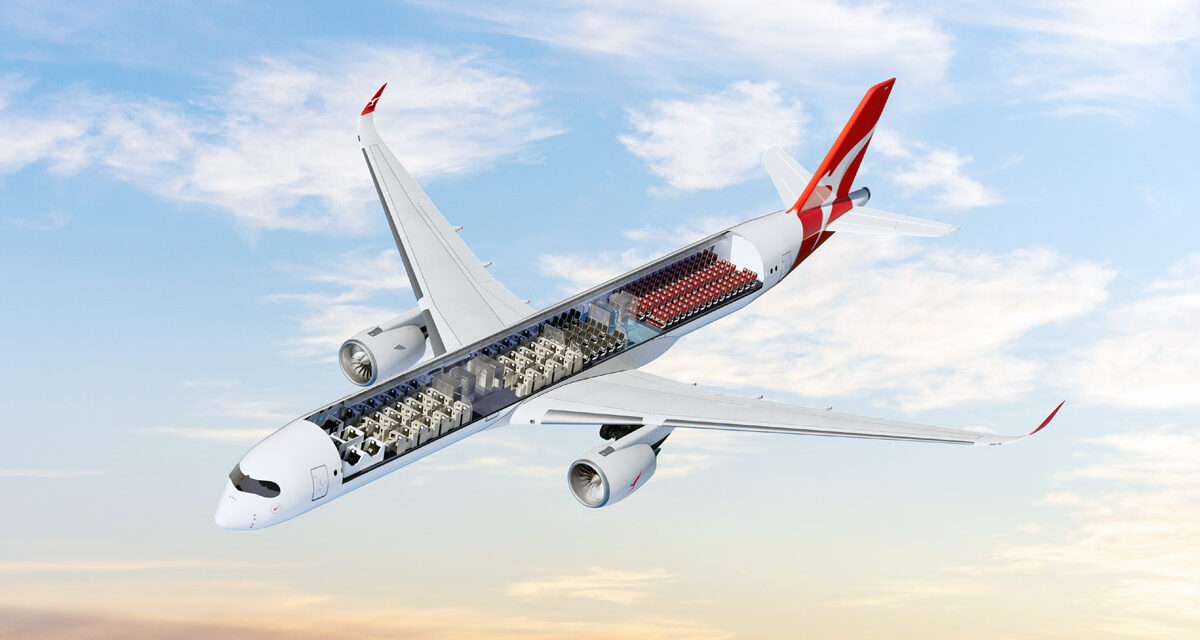
The first of Qantas’ specially configured Airbus A350-1000ULR aircraft is due for delivery from Airbus in 2026, probably late in the second half of the year.
More fuel, fewer passengers
These aircraft have additional fuel but reduced passenger capacity to allow them to be operated nonstop on routes like Sydney–London and Sydney–New York. Those flights stretch up to 22 hours. While regular passenger services are not expected until 2027, 2026 will see the aircraft conduct validation and route-proving flights, finalise crew rest protocols, and lock in onboard service concepts.
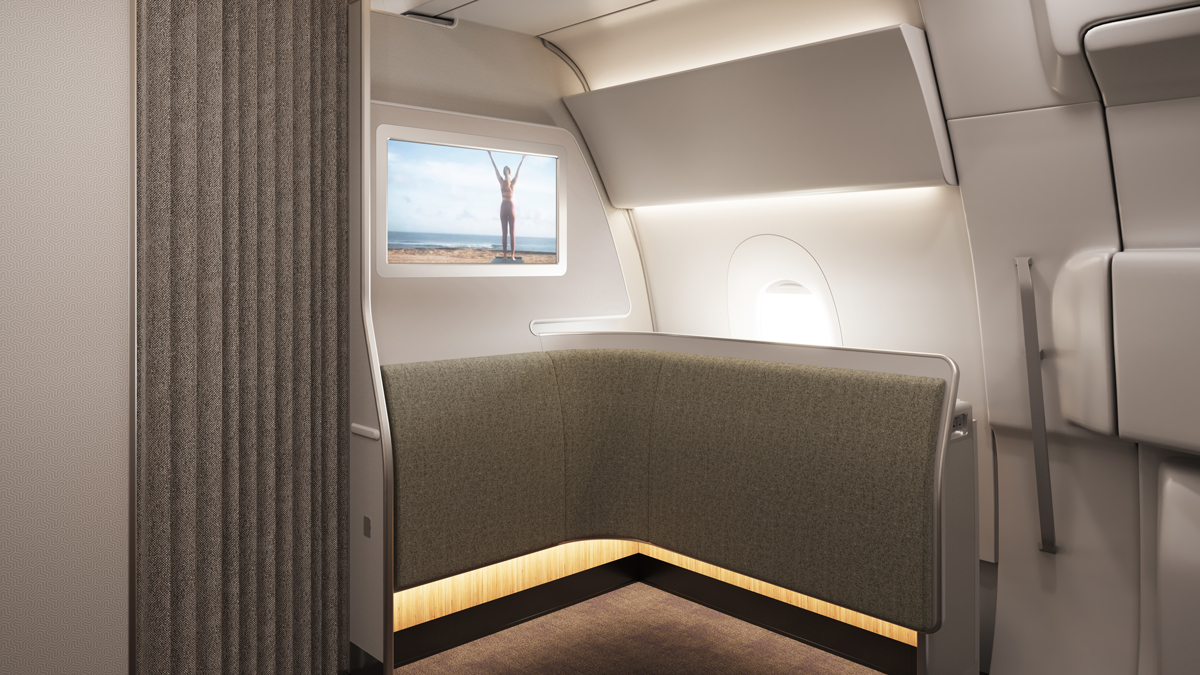
For passengers, the most significant innovation is not distance but design. Qantas has confirmed the Sunrise A350 will carry just 238 passengers across four classes, far fewer than most long-haul aircraft of similar size. There will be six First suites, a 52-seat Business cabin, Premium Economy and Economy, plus a dedicated ‘wellbeing’ zone mainly using space around an exit so passengers can stand, stretch and hydrate. Passengers used to do this anyway on shorter flights, and smaller aircraft, so other than the provision of water, and a padded ledge, not much actual innovation here. Lighting, cabin pressure and humidity are all set to make ultra-long-haul flying as comfortable as data will allow. Data was gathered from Qantas’ previous London and New York research flights, albeit using a Boeing 787 and not the Airbus A350ULR.
The Qantas claim is that this is the first time an airline has designed an aircraft around Australia’s geographic isolation rather than trying to work around it.
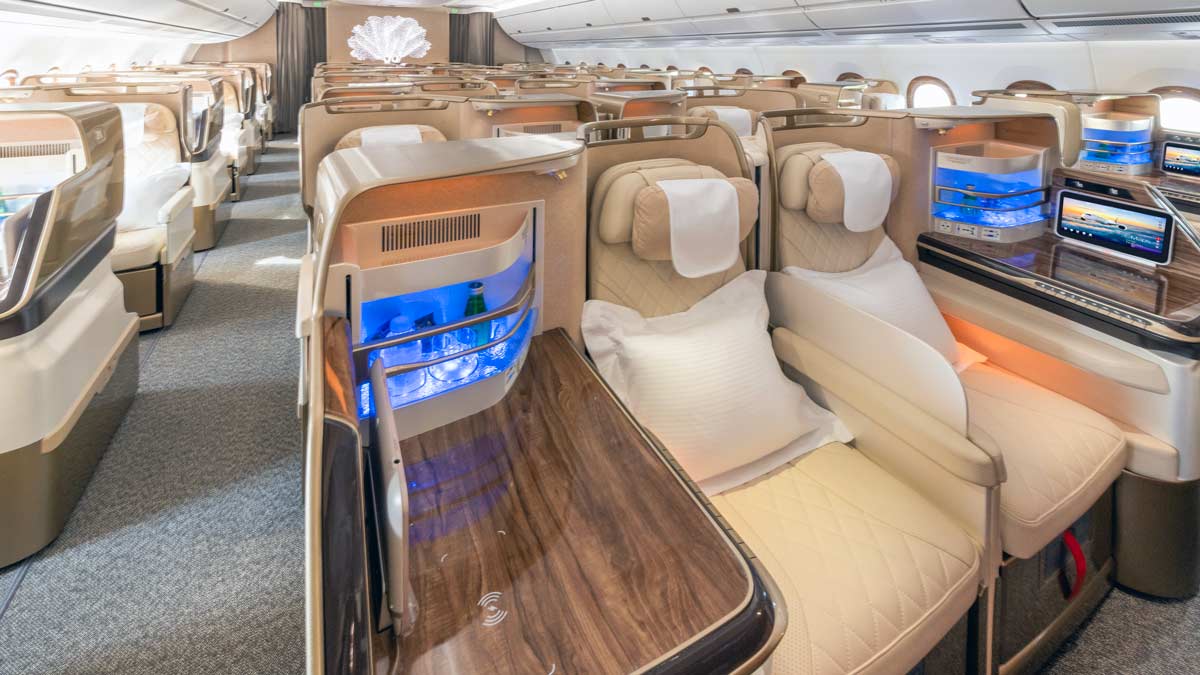
Emirates’ A350 arrives in Australia
While Qantas focuses on extreme range, Emirates is improving the everyday long-haul experience with new aircraft.
From 2026, Emirates will operate the Airbus A350-900ULR on the Adelaide–Dubai route, replacing older Boeing 777 variants. This matters because the A350 offers a noticeably quieter cabin, higher humidity and lower cabin altitude — features that make a difference on 13-plus-hour flights between Australia and the Middle East.
Passengers will also see Emirates’ latest generation Business Class seats, a Premium Economy cabin, and updated inflight entertainment. For South Australian travellers in particular, this represents a significant upgrade. If your origin is no in South Australia, it will be worth checking fares, in case Emirates needs to reduce charges to fill the aircraft.
Singapore Airlines refreshes premium seating
The standard for Australia to Europe travel via Asia has long been set by Singapore Airlines. In 2026 it plans to raise that bar again.
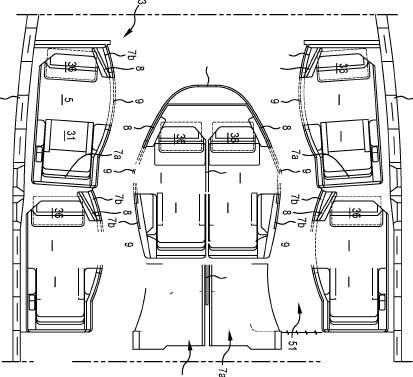
The airline is rolling out refreshed Business and First Class products across its Airbus A350-900 fleet. That will include aircraft operating to Sydney, Melbourne and Brisbane. These refreshed cabins feature redesigned seats with greater privacy, new bedding and an upgraded KrisWorld entertainment system.
Just as important is Singapore Airlines’ move to low-Earth-orbit satellite connectivity. Unlike older geostationary systems, this Wi-Fi remains fast and stable over oceans, allowing gate-to-gate internet access. That’s a major change for Australian travellers, where long stretches without connectivity have been the norm.
United, Cathay, and others
Route structure is also changing in ways passengers will notice immediately.
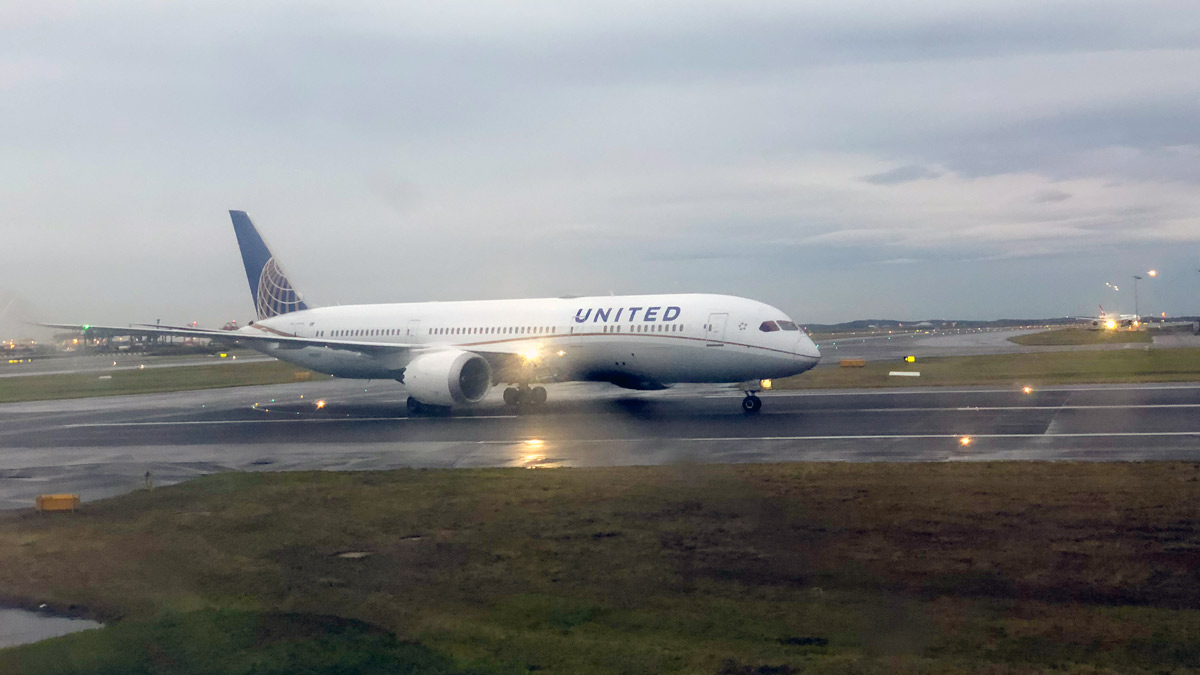
United Airlines’ new Adelaide–San Francisco service, launching late 2025 and operating through 2026, becomes one of the longest routes in United’s global network. It gives South Australia a direct link to the US West Coast for the first time, bypassing Sydney, Melbourne or Auckland entirely.
Cathay Pacific continues rebuilding its Australian network with restored and expanded services from Hong Kong to Sydney, Melbourne, Brisbane and Perth, bringing back widebody capacity that disappeared during the pandemic years. China Eastern and other Chinese carriers are also returning frequencies and aircraft types that improve both seat availability and cabin consistency.
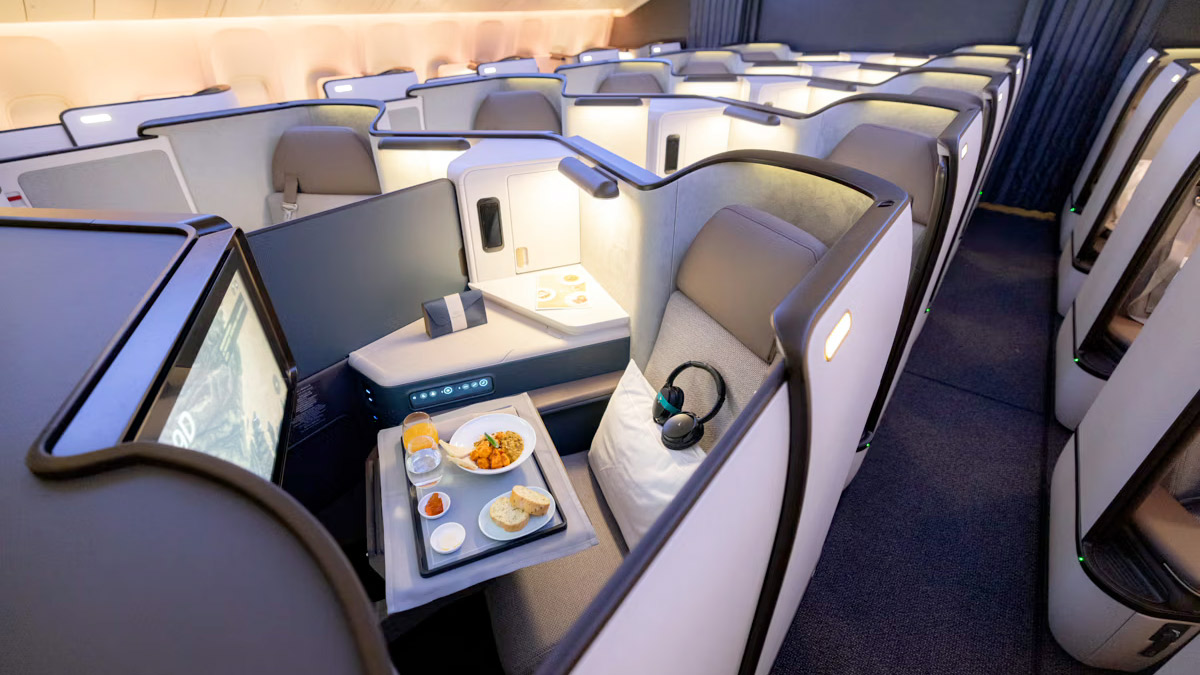
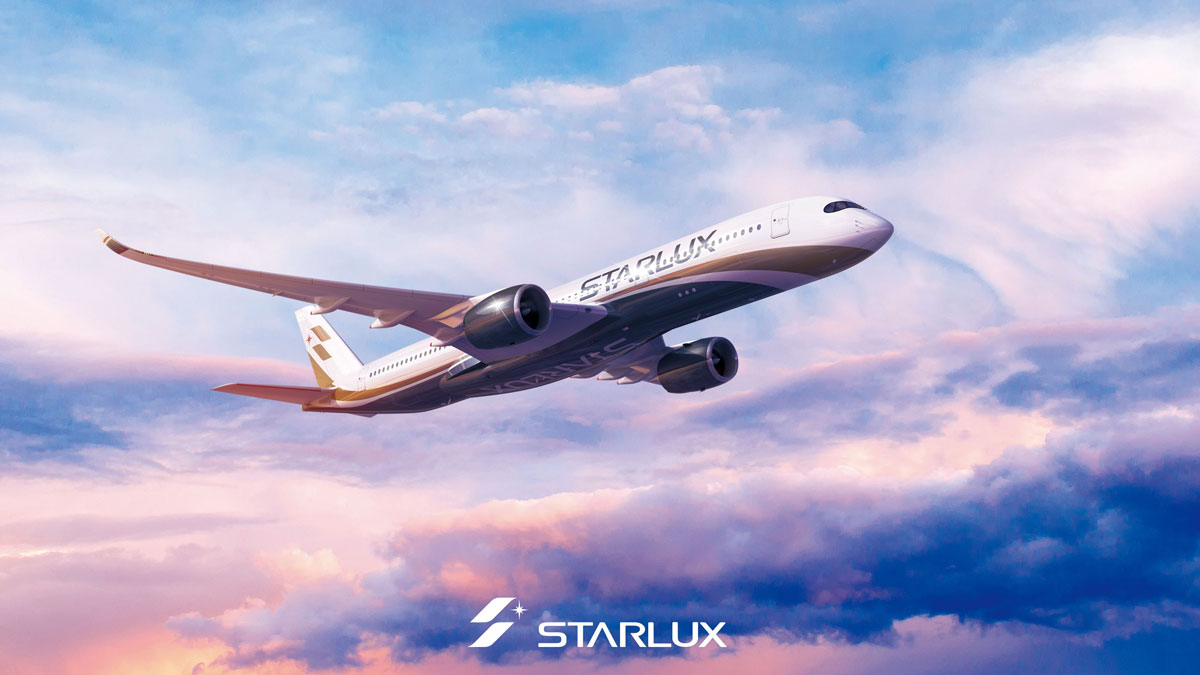
And it doesn’t stop there. Taiwan based Starlux has just announced its intention to fly direct to European destinations, with ambitions to service Australia as well. It has also expressed an interest in joining the OneWorld alliance, which would make it a partner of Qantas. With an enviable reputation for its premium service, I’m excited about these developments.
Smaller aircraft, smarter international flying
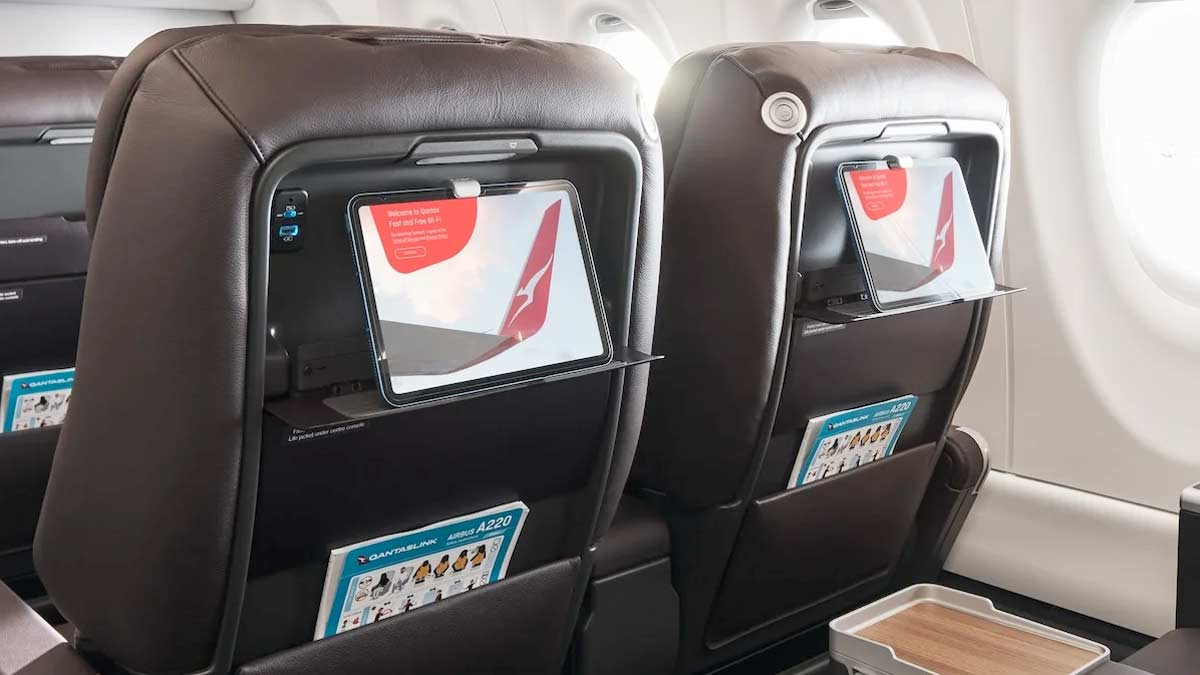
Not every innovation is about bigger means better. Qantas’ growing Airbus A220 fleet will begin appearing more regularly on short international routes in 2026. Routes will include trans-Tasman services such as Brisbane–Wellington.
For passengers, the A220 brings wider seats, larger windows and a quieter cabin than older narrowbodies. The efficiency of these new aircraft will allow airlines to add frequency to routes. This is valuable on routes where flexibility matters more than capacity.
2PAXfly Takeout
Each year brings change and innovation, but 2026 with the first flights, even though mainly testing on the Project Sunrise routes could really change the long-haul game.
Premium cabins are being upgraded because travellers will begin to spend 15–20 hours in them. New routes are opening because bypassing hubs saves real time.
For Australian travellers, 2026 won’t just feel like another year of recovery. It will feel like the moment long-haul flying will also be non-stop.









What did you say?