

















QANTAS: Cuts free First Class for executives and board members on Project Sunrise flights
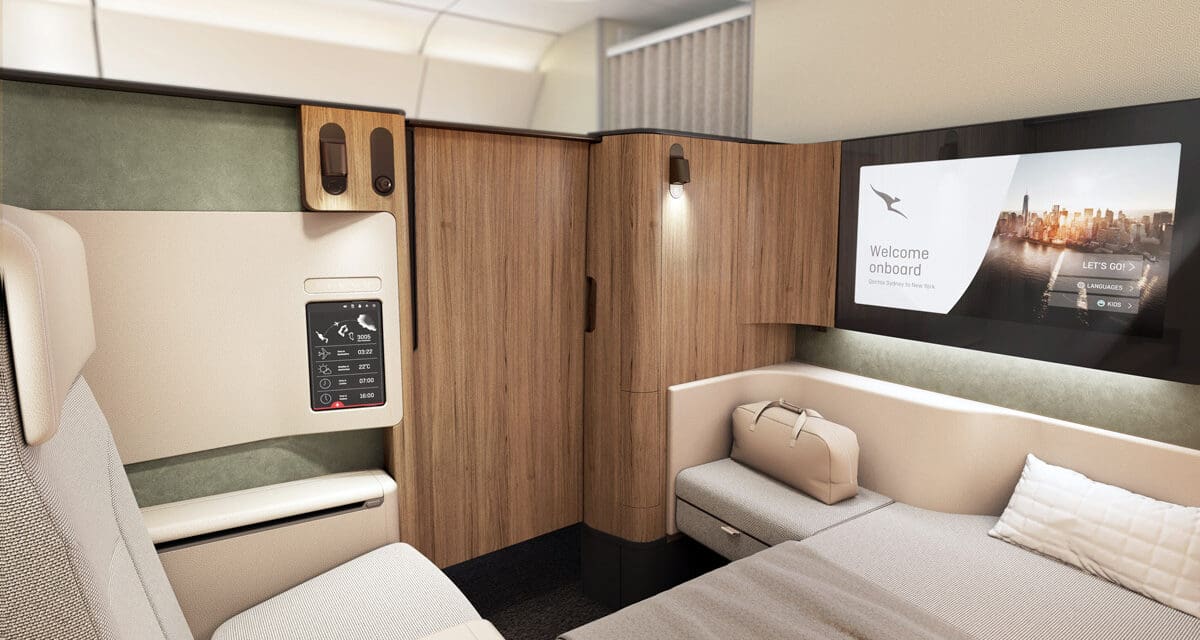
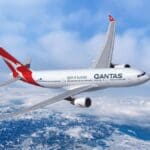
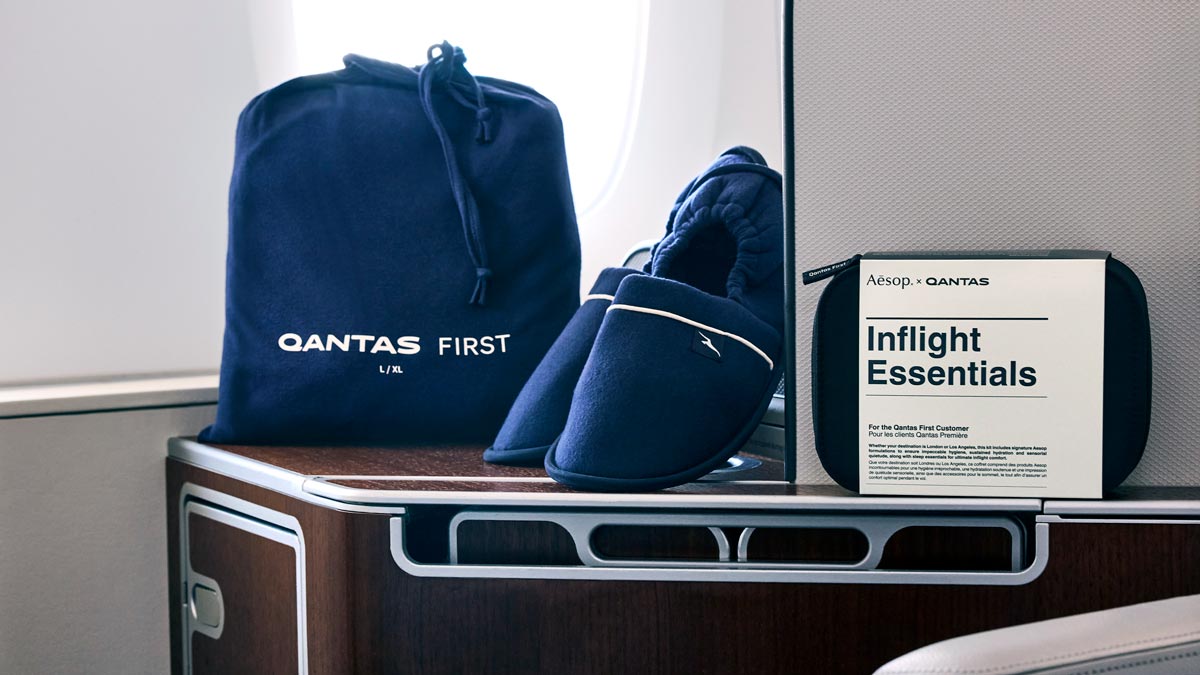
Qantas has quietly tightened the rules around who can use staff and director travel entitlements at the very front of the aircraft. In particular, it has drawn a hard line around First Class for its future Project Sunrise Airbus A350-1000ULR fleet, where seats will be scarce, ultra-premium, and intended primarily for paying customers.
The move affects current and former executives and board members, and it’s a sign that the airline is trying to reset both optics and priorities after those final bruising years under Alan Joyce’s leadership.
What’s changed
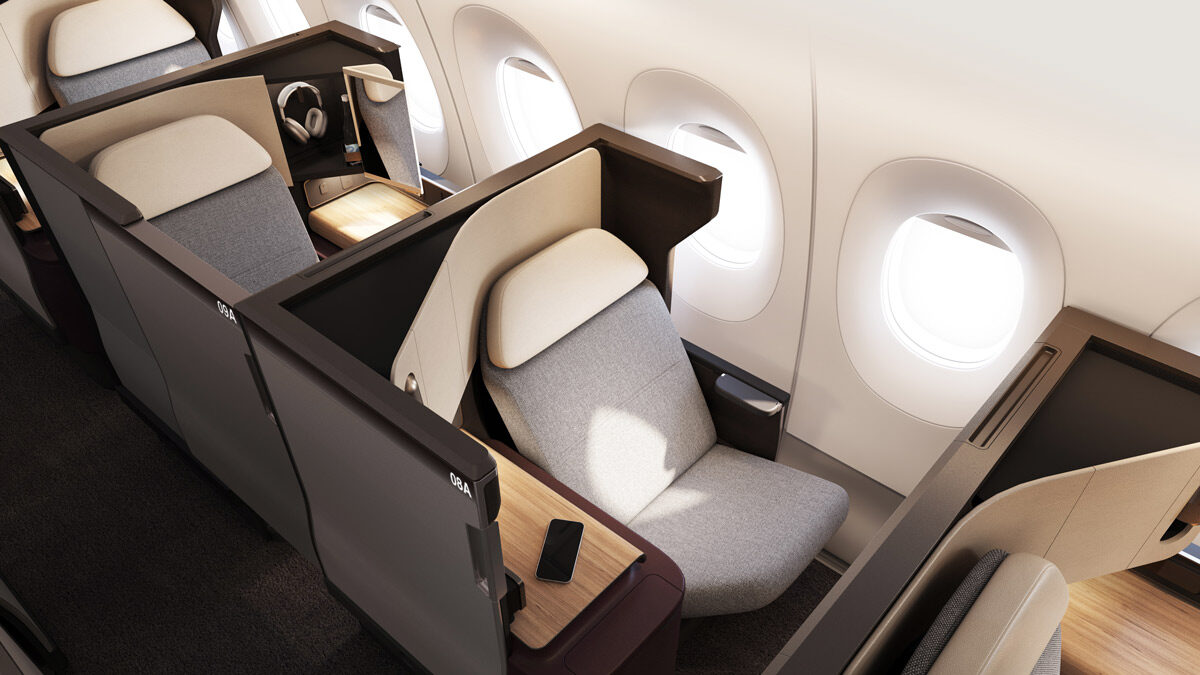
Qantas International CEO Cam Wallace has written to current and former directors and executives to advise that staff flying entitlements can no longer be used to book First Class on the about to arrive A350-1000ULR Project Sunrise aircraft. Sunrise First is now off-limits to guaranteed staff travel perks, regardless of seniority or service history. However, there is nothing here to say that they can’t occupy one or more of the six First Class seats on the A350s if unsold.
Current and former directors, executives, and staff, including pilots and the CEO, are covered by the new rules.
Importantly, eligible staff and directors are still entitled to fly First Class on the A380, where Qantas has 14 First suites and far more capacity to absorb non-revenue travellers.
On Sunrise flights, First Class remains available in the same way it is for everyone else. :That means pay cash, or use points to book or upgrade.

Why now
Qantas’ needs to make ultra-long-haul flying genuinely profitable. The margins will be tight on these nonstop flights from the East Coast of Australia to London and New York with a premium-heavy cabin mix.
On those aircraft, First Class will be extremely limited. With just six suites on the A350 Sunrise jets, every seat represents a significant revenue. Allowing staff soak up those seats would undermine their profitability.
There’s also the reputational angle. Executive and director travel perks have become a lightning rod for criticism, particularly when customers are facing higher fares, tighter reward-seat availability and an airline still rebuilding trust. Drawing a line around Sunrise First is as much about communicating a commitment to regular travellers as it is about seat economics.
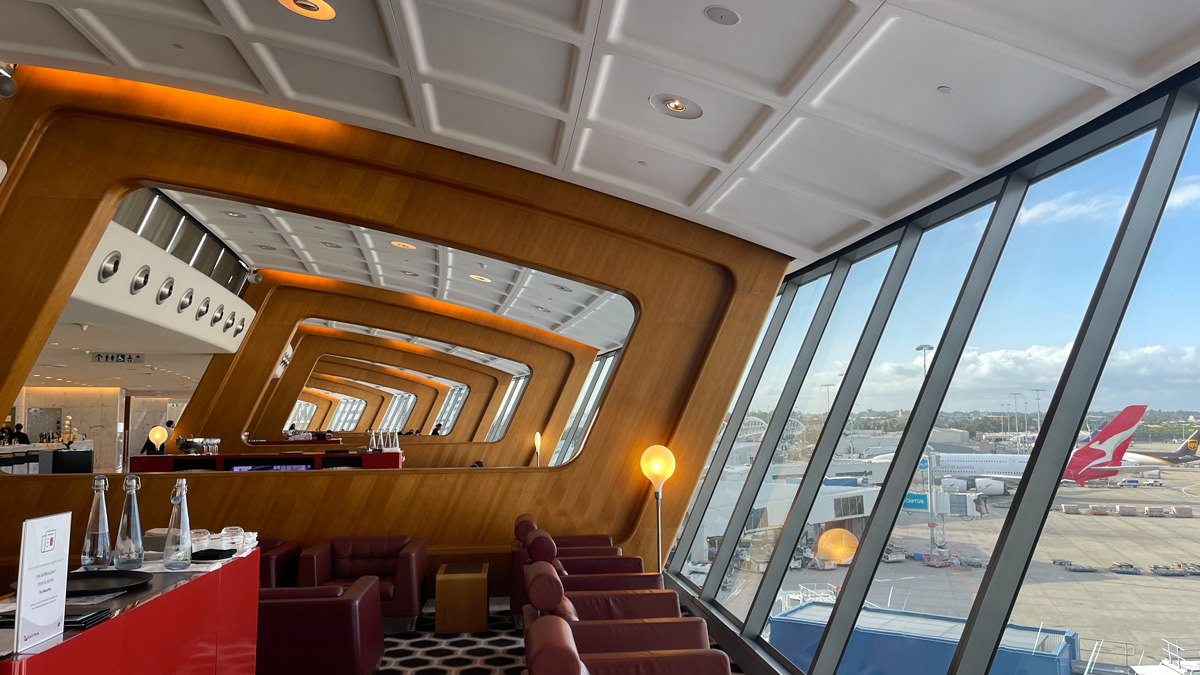
What Qantas directors are now entitled to
Qantas’ annual report outlines the formal travel entitlements for non-executive directors and their eligible beneficiaries. These benefits apply while directors are serving and, in reduced form, after they leave the board. They are gone from extremely generous to just very generous.
Each calendar year while serving:
- Chair: four long-haul trips and 12 short-haul trips
- Other non-executive directors: three long-haul trips and nine short-haul trips
Unused trips do not roll over
Post-employment entitlements:
- Chair: two long-haul trips and six short-haul trips per year of service
- Other non-executive directors: one long-haul trip and three short-haul trips per year of service
Qantas says these benefits were ‘benchmarked’ in 2023–24 and assessed as broadly consistent with those offered by comparable airlines.
Critics, and particularly Joe Aston/Rampart’s view
On paper, the entitlements don’t look outrageous. The debate has never really been about the number of trips; it’s about their real-world value once cabin class, flexibility and family access are factored in.
Qantas critics, including Joe Aston of Rampart, have argued that the market value of these benefits can be substantial, particularly when premium cabins are used extensively. In some scenarios, the effective value of a director’s annual travel benefits can run into hundreds of thousands of dollars once fringe benefits tax and equivalent commercial fares are considered.
Rampart has also questioned how these benefits are disclosed, arguing that reported values can understate what equivalent tickets would cost regular passengers. That criticism has fed into broader concerns about transparency, privilege and whether board perks align with shareholder and customer expectations.
Past executives, future flights
The Sunrise restriction also sidesteps a problem Qantas would rather not relive. It has been plagued by eadlines about former executives enjoying lifetime access to the pointy end.
Former CEO Alan Joyce became the most visible example of this issue, with reporting in 2024 highlighting the long tail of benefits attached to his contract, including travel entitlements extending decades beyond his departure. Under the new Sunrise rules, those entitlements won’t translate into complimentary First Class on Qantas’ most exclusive future routes.
What this means for passengers
Most travellers don’t spend much time worrying about whether a director is entitled to three or four short-haul flights a year. They do care when premium cabins feel inaccessible, reward seats are hard to find, and fares keep climbing.
From a customer perspective, this change matters. It creates a sense of fairness because it says that First Class is for people who pay for it or redeem earned points for it, not for people who happen to hold the right title.
It won’t fix all of Qantas’ issues overnight, but it is a rare example of the airline winding back a perk rather than repackaging it.
2PAXfly Takeout
Qantas senior executives and board members have been seen as arrogant and uncaring in the past, particularly as the airline was recovering from the impact of COVID-19. Alan Joyce was accused of operating a command-and-control style of management that rode roughshod over customers’ interests. It marred his considerable legacy in steering the airline to profitability and its survival during COVID.
This action, although perhaps marginal in an overall economic sense when compared to the Qantas budget, sends the right signal to customers. It’s pulling back company perks, and by implication, handing some back to customers.
It is a move where the optics are of more benefit than the cash saved.








What did you say?