
























QANTAS: Power banks banned from todaym 15 December. What you need to know
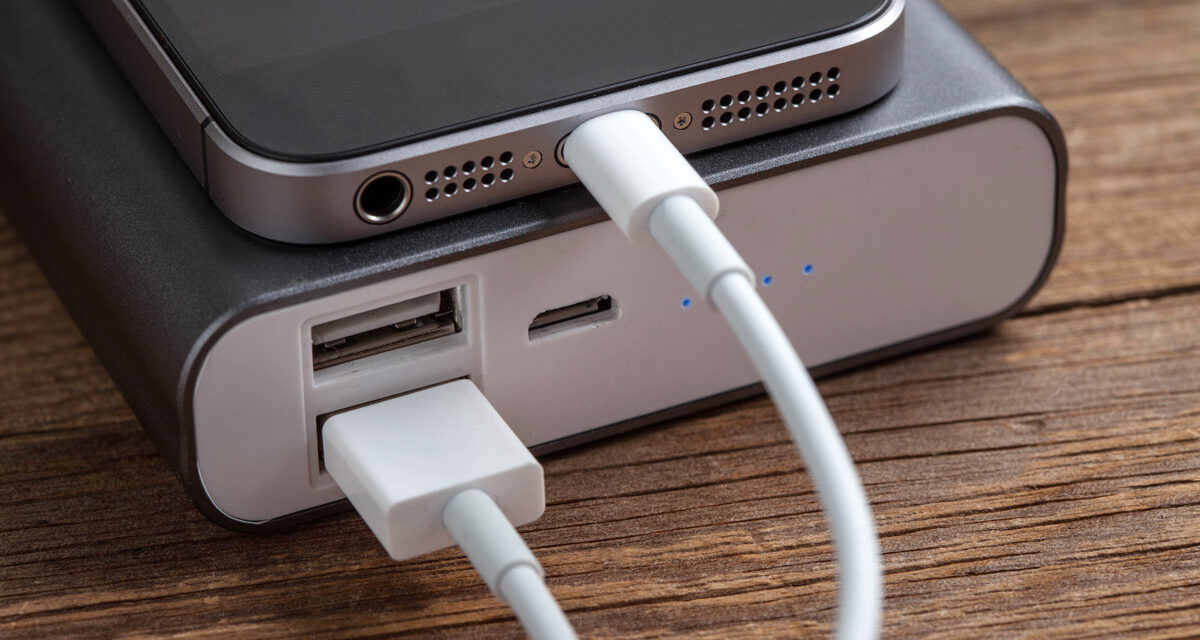
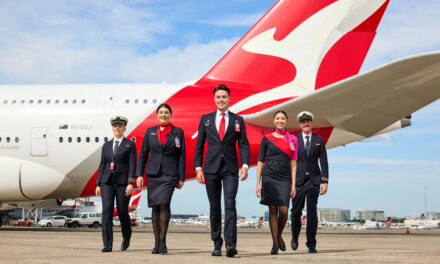
From today, Monday 15 December 2025, Qantas, Jetstar and QantasLink has banned the use of portable power banks on all flights. Qantas group airlines are joining a growing list of airlines responding to a sharp rise in lithium battery fires in cabins and lounges worldwide.
You’ll still be allowed to bring power banks on board, but you won’t be allowed to use them. You will not be able to charge your phone, not to top up your tablet, and not to plug the battery itself into a seat USB socket.
In short: carry it, don’t connect it.
This aligns Qantas with Virgin Australia, Emirates, Singapore Airlines, Cathay Pacific, Thai Airways, EVA Air and Korean Air, all of which have recently tightened rules after a string of battery-related incidents, including ‘thermal runaway’ fires that filled cabins with smoke.
What this means for travellers
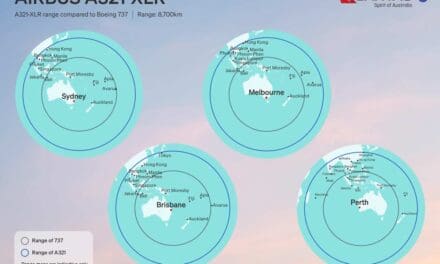
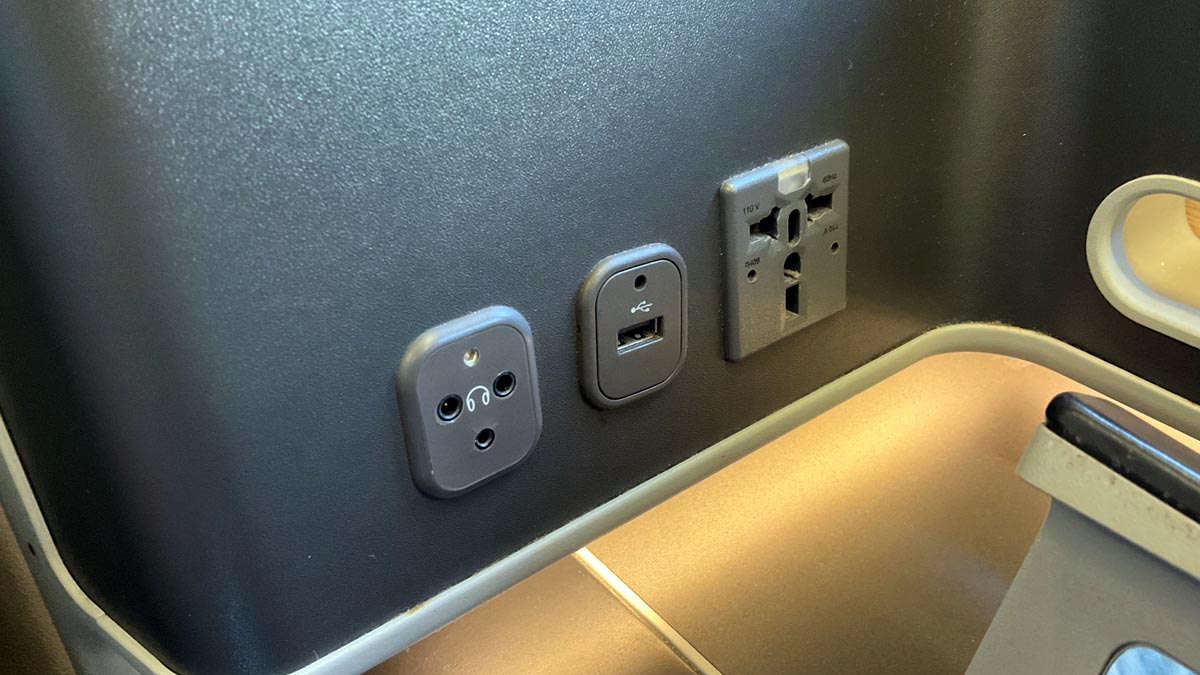
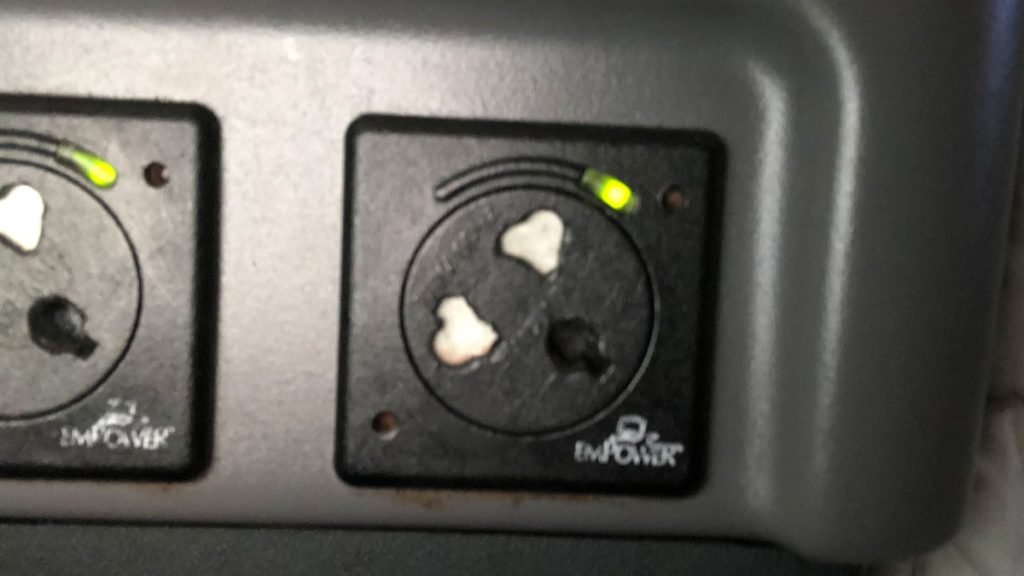
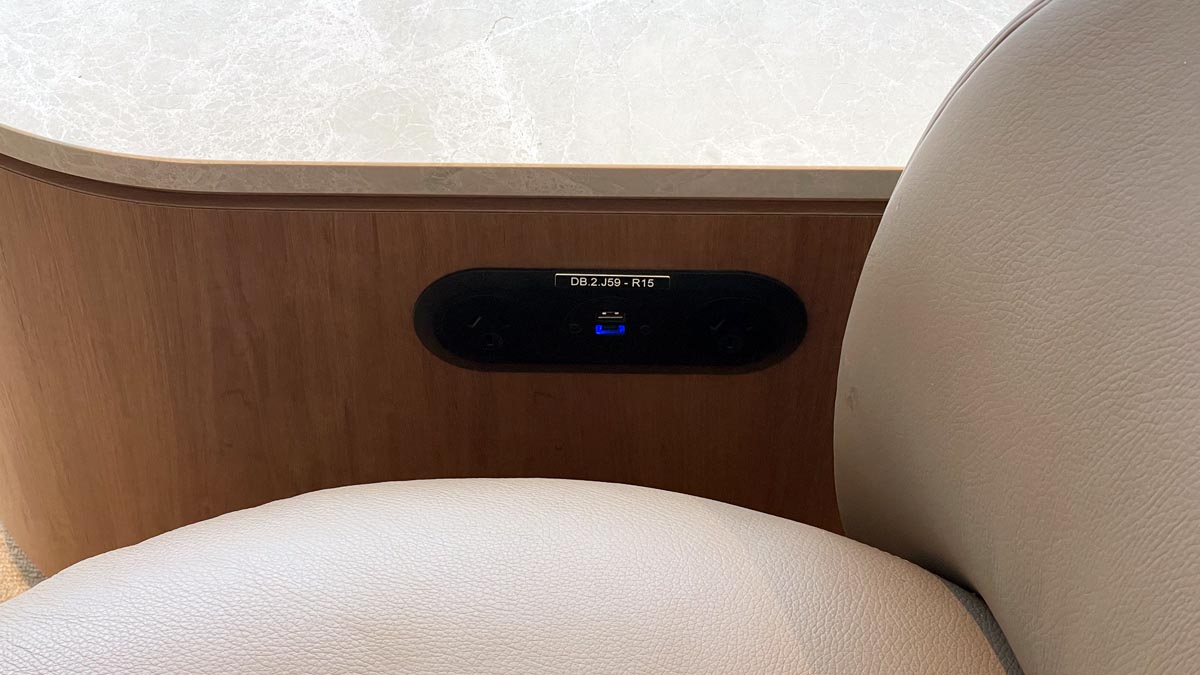
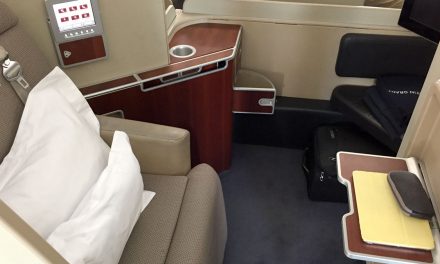
The practical impact is straightforward. If your phone dies in flight, your power bank won’t save you. You will need to rely on the aircraft’s USB or AC outlets. Fortunately, most of the Qantas fleet now has them. The newest A220 and A321XLR jets even offer USB-A and USB-C ports at every seat, alongside a small shelf for resting your device while it charges.
You will need to pack a USB cable in your carry-on. And if you’re heading onto an older aircraft or a turboprop without personal power, make sure you charge in the lounge or terminal before boarding. Your power pack must also also desplay clearly their specifications.
What you can still carry on
- up to two power banks, each rated 160Wh or below
- 60Wh limit covers most consumer power bank, including laptop-sized units
- Tradies’ packs like Ryobi ONE+ 18V batteries up to 144Wh are allowed
- Terminals on exposed batteries (like tool packs) must be taped/protected
- Power banks must be carried in the cabin, within reach (seat pocket or under-seat), and not in overhead lockers. Never in checked baggage
If your battery exceeds 160Wh, you can seek airline approval before flying.
If you have a ‘smart bags’ the battery must be removed and carried separately under the same rules.
Before the crackdown
Lithium battery fires are a fast-growing safety issue in aviation. When a battery cell fails, they often enter ‘thermal runaway’ which is a rapid, uncontrollable heating process the may include smoke, fire or explosion.
The US Federal Aviation Administration logged 34 lithium battery incidents in 2025. 11 involved personal power banks. Between 2015 and 2024, lithium-related aircraft fires increased a staggering 388%.
With 44% of passengers now travelling with power banks, according to IATA, airlines are stepping in to reduce the risk. Qantas’ new rule is part of the tightening we expect to see.

2PAXfly Takeout
Don’t pack a power pack unless you really need to. If you do, its carry-on ballast, not for mid-flight use. Pack a charging cable for use with your device. You should expect more airlines to adopt similar bans as battery-related incidents rise.







Every airline should ban the inflight use of power banks, at least those above 5,000 mAh.