














TURKISH AIRLINES: Leadership shake-up. Why?
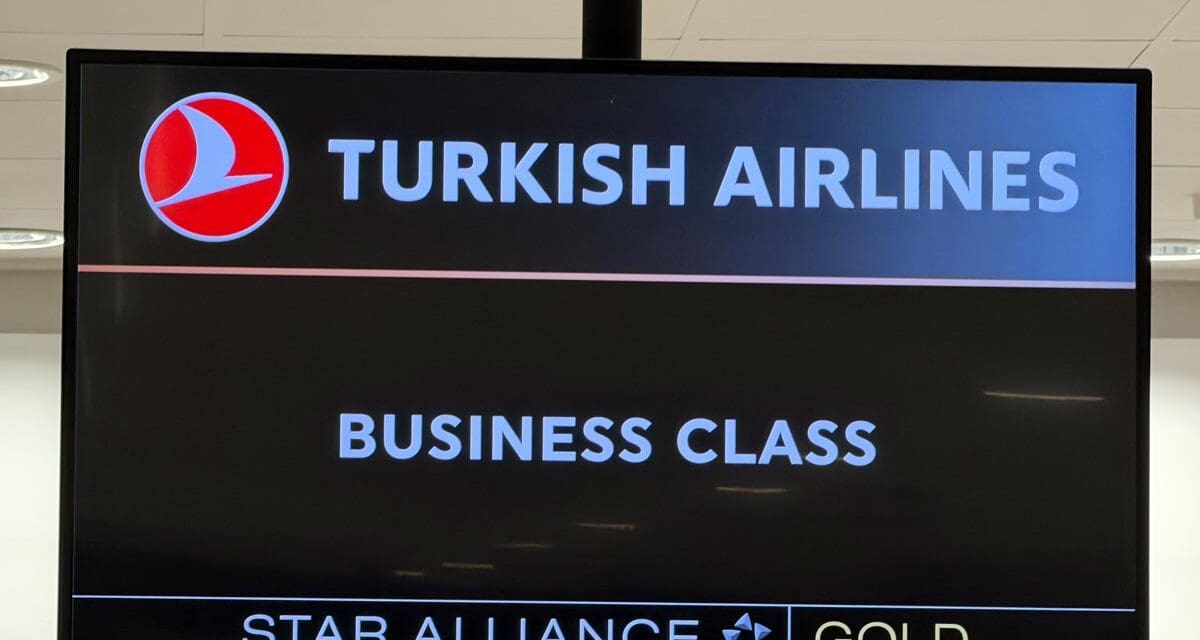
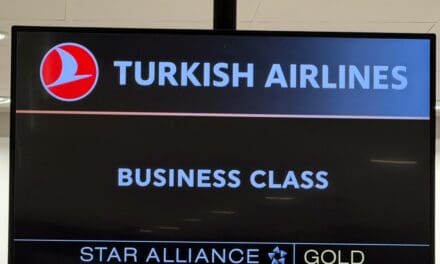
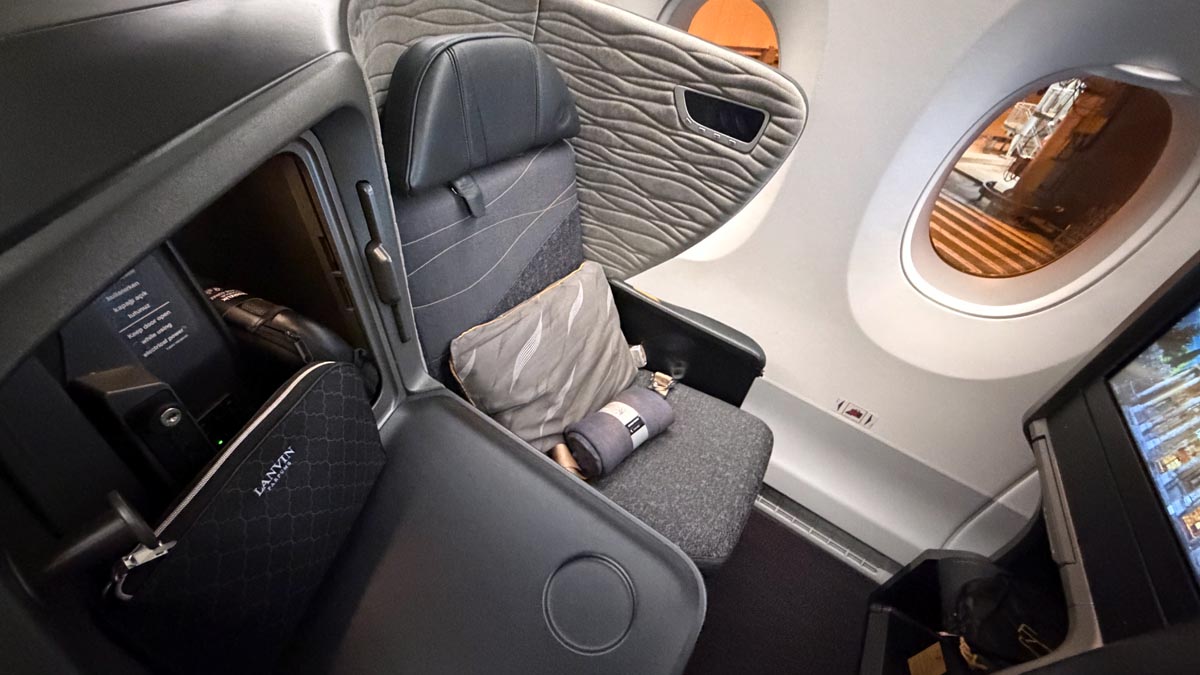
A recent leadership overhaul at Turkish Airlines has sparked industry attention. Here’s a clear breakdown of what we know as fact and what is informed speculation. The interest in this story stems from Turkish Airlines’ recent commencement of non-stop flights to Istanbul from Australia. A flight I recently took, and I am due to return on in a few weeks’ time. So I have both personal and professional interests here.
The facts we know
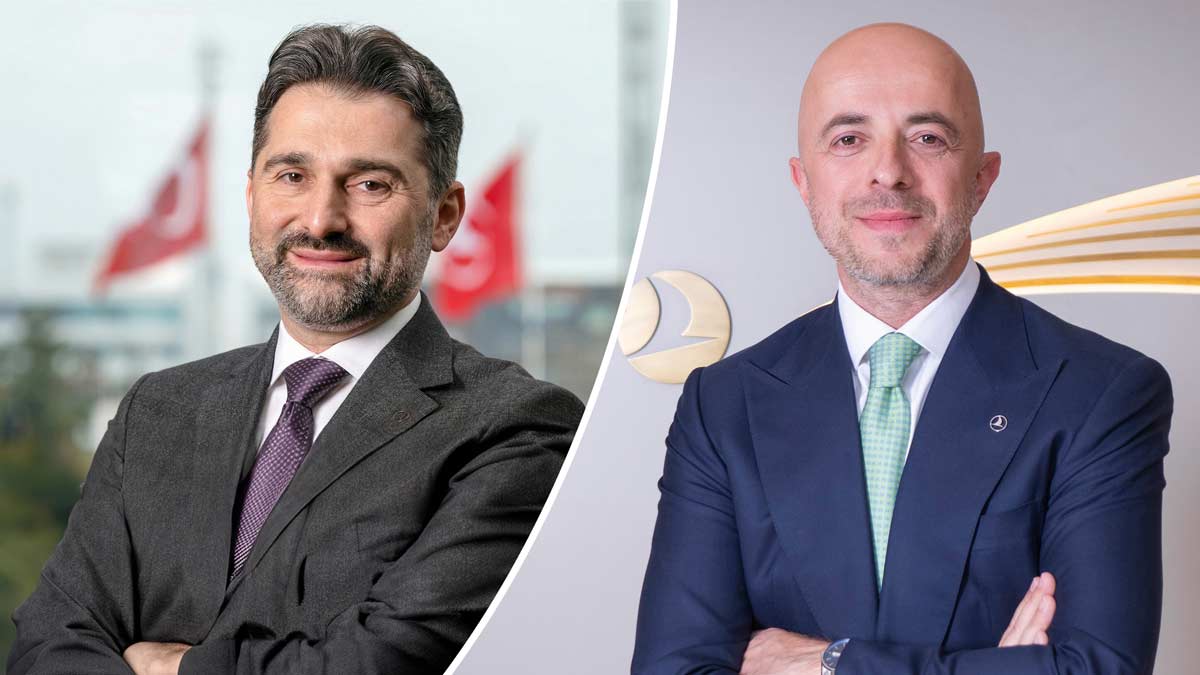
Turkish Airlines replaced both its CEO and chairman in April 2026. Long-time CEO Bilal Ekşi stepped down, with Ahmet Olmuştur (former Chief Commercial Officer) appointed as CEO, alongside a new chairman.
There was no specific reason given for the change, and no statements from the outgoing executives. The airline explicitly pointed to ‘geopolitical instability’, including Middle East tensions, as influencing its decision-making.
Despite a 2025 operating profit of around US$2.2 billion on US$24 billion in revenue, Turkish Airlines chose not to pay dividends, signalling a focus on liquidity and financial resilience rather than a reward to shareholders.
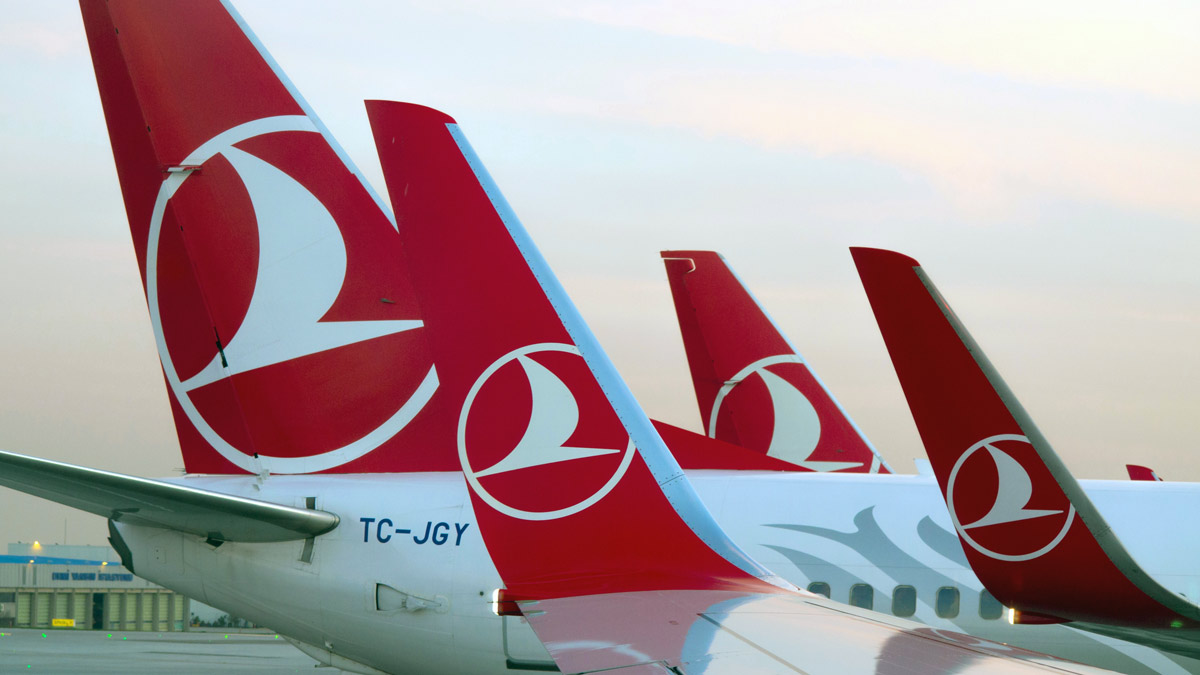
Turkish Airlines remains one of the world’s largest network carriers, flying to more countries than any other airline and using Istanbul as a major global hub.
You can read the statement about the appointments from Turkish Airlines here. It details their previous careers at Turkish Airlines.
What’s speculated
While not formally stated as a strategy change, appointing a CEO with a strong commercial background suggests a pivot toward profitable yield (revenue per seat) and cost discipline rather than growth and expansion.
Given geopolitical risks and fuel volatility because of the Middle East conflict, Turkish Airlines may want to prioritise profitable routes and adjust capacity more conservatively.
A stronger focus on margins could reduce deeply discounted long-haul fares, particularly on competitive European routes. Holding cash and a tightening strategy suggest the airline is preparing for continued disruption, which could translate into a more reliable (if less aggressive) schedule.
And finally, maybe the government didn’t like the suspension of dividends, given that those would presumably flow to the cash-strapped government, which owns around 50% of the airline, and effectively controls it.
Australian travellers are interested
Turkish Airlines has become an increasingly important option for Australians travelling to Europe, offering one-stop (plus a refuel in Asia) connections via Istanbul that compete with Gulf and Asian carriers.
If margins become a primary concern, then prices may stabilise slightly higher with fewer discounted fares available. Any poorly performing routes could disappear or have their frequencies changed. But I can’t see the airline abandoning its plans to be a European gateway under a new leadership team.
2PAXfly Takeout
We will likely never know how much, or how little, political influence played into Turkish Airlines‘ change in leadership. The consolation is that the new executives have long histories in the airline industry and with Turkish, and seem to be regarded as competent
The proof, as it always is, will be in the pudding, as they say. What this new leadership team decides, and the outcomes those decisions generate, will be their measure, not how they came to power.








What did you say?